

In early October, the City of Hamilton surpassed $2 billion in construction value for building permits this year, despite the number of permits curtailing.
“Hamilton’s strong industrial growth is creating new jobs and strengthening our local economy. By streamlining development processes, removing barriers, and implementing new measures such as development charge exemptions, we’ve unlocked stalled projects and spurred new investment. Surpassing the $2 billion milestone reflects that momentum. It’s proof that Hamilton is growing, attracting opportunity, and building a city where everyone can thrive,� said City of Hamilton Mayor, Andrea Horwath in a news release.
However, as the construction dollar value is on the rise, the actual number of permits is in a downturn.
“The Hamilton-Halton °µÍø½ûÇøion Association echoes Mayor Andrea Horwath’s sentiment that Hamilton’s progress is rooted in collaboration. Builders, developers, planners, residents, and city staff all play a vital role in shaping our city’s future. However, we must acknowledge a concerning trend: the three-year average for building permits issued in Hamilton is declining,â€� said Ryan Kneisz, past HHCA president and board of directors member.
Kneisz goes on to explain the $2 billion milestone – $1 billion of that chalked up between May and October – does not reflect the full picture, explaining the “true measure of growth lies in the number of building permits issued annually.
“This data suggests that the cost of construction is rising at an unsustainable pace, while fewer projects are being initiated year-over-year,� he said, adding, “It signals economic pressures that are impacting project viability and long-term industry growth — pressures felt not only in Hamilton but across Canada in today’s complex geopolitical climate.�
The over $2 billion record construction value so far this year was reached five days earlier than the previous record set in 2023 and represents 4,038 building permits.
The list is comprised of:
- 67 per cent residential permits
- 12 per cent industrial/commercial permits
- Two per cent institutional permits
- 19 per cent miscellaneous permits
Some major projects contributing to the milestone include:
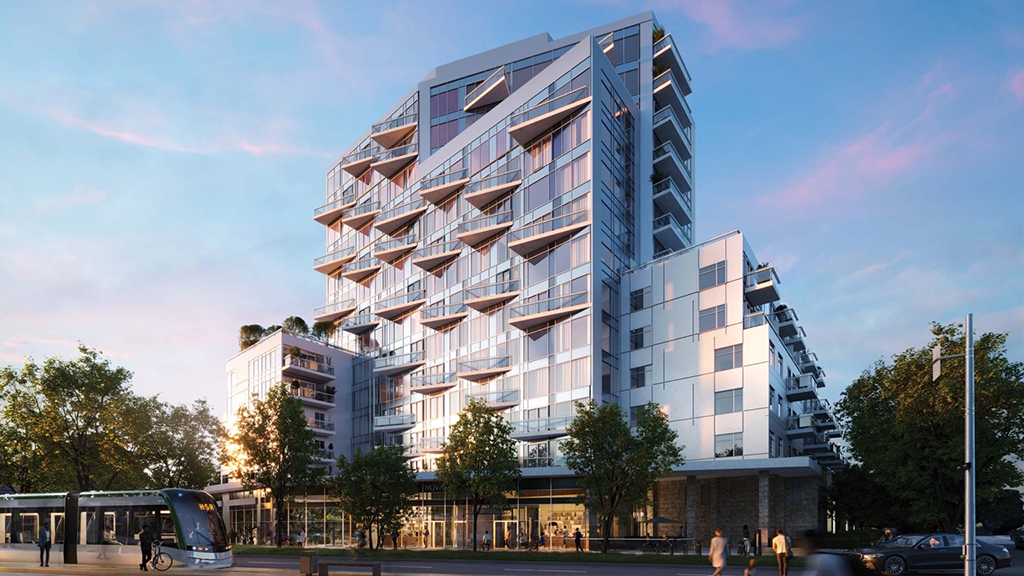
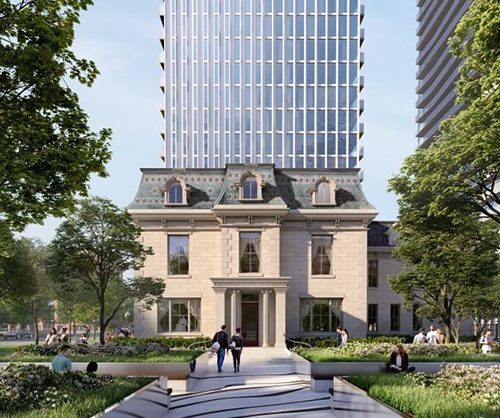
- 163 Jackson St. W., Television City condominium complex – estimated cost, $210 million
- 1190 Main St. W., McMaster University Student Residence – estimated cost, $146 million
- 1107 Main St. W. – Residential – estimated cost, $105 million
- 466 Highway 8, Pine-Willa Long-Term Care Facility – estimated cost, $80 million
- 212 Glover Rd. IKEA Warehouse – Industrial – estimated cost, $63 million
“We have seen the momentum in Hamilton over the last decade, but the last four years have been some of the busiest for the city’s planning, development, and building staff,� said Rob Lalli, director of building and chief building official. “We will continue to work with property owners and developers in creating new opportunities to help our city thrive.�
According to Lalli, the 2025 monetary milestones are:
- $1 billion construction value was hit April 30, 2025
- $2 billion construction value was hit Oct. 8, 2025
- 161 days between April 30, 2025, and Oct. 8, 2025
- 119 days between Jan. 1, 2025, and April 30, 2025
“The major projects that makeup the $2 billion in construction value have been at various stages in the city’s pipeline, well before the date of ‘permit issuance.’ Achieving this milestone was possible through the efforts across the city, including concerted efforts in the planning and economic development department at the City of Hamilton to bring developments to the permit stage,� explained Arvin Prasad, general manager, planning and economic development.
“Contributing to the higher construction values are also inflation and other factors resulting in higher building permit values. We are pleased with the successes in issuing permits, including major developments such as Television City and McMaster University Student Residences, and getting developments through the development pipeline as quickly as possible.�
Taking into account all projects included in the $2 billion value mark, the HHCA maintains a decline in permits indicates fewer projects moving forward, which directly affects employment, investment and community development.
“To reverse this trend, we urge the city to continue addressing development charge exemptions across all zoning types. These exemptions are critical to attracting new investment and revitalizing stalled projects. We commend Mayor Horwath for her leadership in advancing these measures and encourage further efforts to streamline the site plan approval and building permit review processes,� said Kneisz.
When asked, the City of Hamilton did not provide data on the three-year average for building permits issued.



Recent Comments
comments for this post are closed