

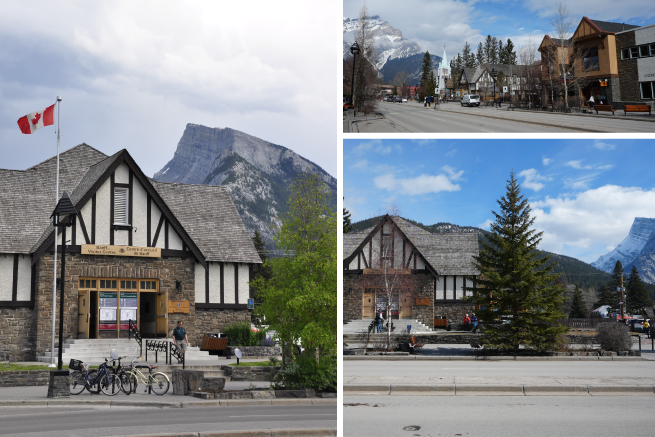
BANFF, ALTA. – The Royal Architectural Institute of Canada (RAIC) and Parks Canada have announced the six multidisciplinary teams selected to move on to the next phase of the 200-Block Banff Avenue Redevelopment Project design competition.Â
Over the past two-and-a-half decades, Parks Canada has been working towards obtaining lands in downtown Banff that would be revitalized into purpose-built spaces and facilities.
As such, because of the scope of the project, the RAIC was recruited and the competition was launched. Â
Parks Canada received 44 complete submissions from multidisciplinary teams during the first phase open application period which was held from June 26 to August 12.
Over the past month, an evaluation team comprised of Parks Canada representatives and RAIC professional advisers assessed all submissions using criteria outlined in the pre-qualification documents.Â
The six teams selected are:Â
- Alison Brooks ArchitectsÂ
- EVOQ + RyderÂ
- KENGO KUMA & ASSOCIATES + Paul Raff StudioÂ
- KPMB ArchitectsÂ
- Revery ArchitectureÂ
- Stantec ArchitectureÂ
“These interdisciplinary teams bring together diverse expertise, including Indigenous knowledge weavers and visitor experience specialists, reflecting a deep commitment to design excellence, sustainability, and cultural awareness,� a release reads.
Now a one-stage conceptual design competition has launched. The six teams have seven-and-a-half weeks to develop and submit conceptual design proposals for the project.Â
Winning proposals must demonstrate design excellence, heritage conservation, environmental sustainability and adaptability for implementation, while balancing historical context, project vision and policy frameworks with a strong focus on visitor experience and connection to place, the release adds.
Phase two will conclude in December, followed by engagement periods and jury deliberation.
The design competition winner will be announced in spring 2026.Â








Recent Comments
comments for this post are closed