


Not everyone likes windows in buildings.
Critics point to windows as causing interior overheating in summer due to solar gain, heat loss in winter due to low R-values, reductions in privacy, challenges to furniture layout and the inconvenience of having to keep glass surfaces clean.
“Windows are lovely things…but you can have too much of a good thing,” writes an environmental commentator.
“There’s pressure to use less glass,” James O’Callaghan, co-founder of global structural and façade engineers Eckersley O’Callaghan, in an interview, “but we can’t live without it.”
The creative use of glass can define a building almost as a piece of visual art. Its use is not restricted solely to windows. Interior walls, staircases, floors and other structural elements made from glass can make a striking visual impact while opening views across the floorplate or to levels below.
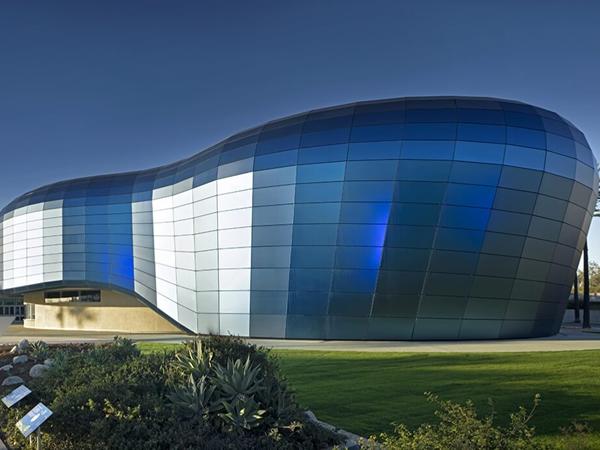
However, the comfort of commercial building occupants is a paramount concern to project owners and their architects. That’s what exterior windows deliver.
“Glass connects us to the outside and brings in light,” continued O’Callaghan.
However, dropping the gauntlet to architects and designers, he adds, “It now needs to be used more creatively and supported by better technologies.”
One such technological answer is “smart glass.”
Smart glass attempts to mitigate the impact of the sun’s glare and solar heat gain on the interior spaces by dynamically adjusting its tint. It that way, it cuts glare, saves energy and improves occupant comfort without the need for blinds or shades. An increasing range of colours and tints are now available, including some treatments that generate power through photovoltaics.
Some smart glass technologies are automatically c, or light-sensitive, and , or heat-sensitive. require a low voltage to react and control liquid or crystals that are suspended between the layers of glazing.
However, challenges arise on several fronts.
The initial cost of smart glass is high, despite promises of energy savings over time. Electrochromic and PDLC glass require some form of control app or management system. These can fail. And although addressing the challenge of shading, particularly later in the day, smart glass also reduces or eliminates the occupants’ freedom of choice — some would rather have individual control of shading through the use of blinds.
There are also long-standing concerns surrounding the carbons associated with glass.
The high carbons associated with creating glass are well discussed. Also problematic is its recyclability.
While glass is theoretically 100 per cent recyclable, the reality is far from circular. The Royal Institute of British Architects only six per cent of flat glass is being effectively recycled.
Most is down-cycled into lower quality products such as glass bottles, glass wool insulation or road aggregates. Smart glass and their solar control coatings, films or specialized laminated interlayers further complicate the recycling process, challenging efforts to recycle it into high-quality glass products.
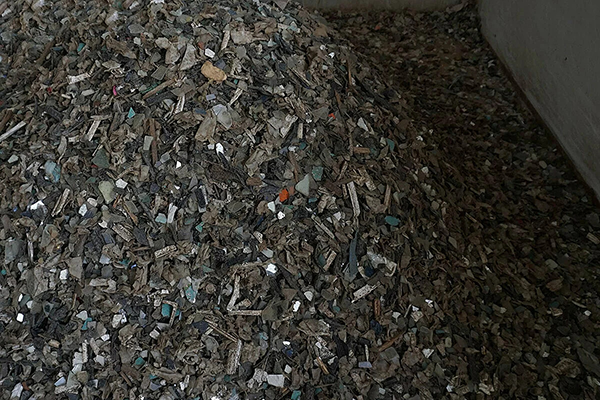
Companies like are working to improve glass recyclability by developing processes that can sort glass by colour, separating it from impurities like plastic, porcelain, clay or metal with high accuracy, and remove non-ferrous metals from the glass stream after initial crushing. Various models of sorting machinery are available to suit a wide range of customer-specific requirements.
At the same time, discussions concerning the cost, complexity and the recycling potential of smart glass open the door to an entirely different approach for solar control: specialized films installed on glass instead of coatings or treatments contained within the glass element itself.
A recent panel discussion concerning the development of modern window film treatments explained how Solar Control Window Films, thin layers of material applied to glass windows, can support occupant comfort and wellbeing while lowering HVAC energy loads. The films can be applied either on interior glass surfaces or on the exterior at a somewhat higher cost, and can also support LEED standards, WELL principles, and assist with ASHRAE compliance.
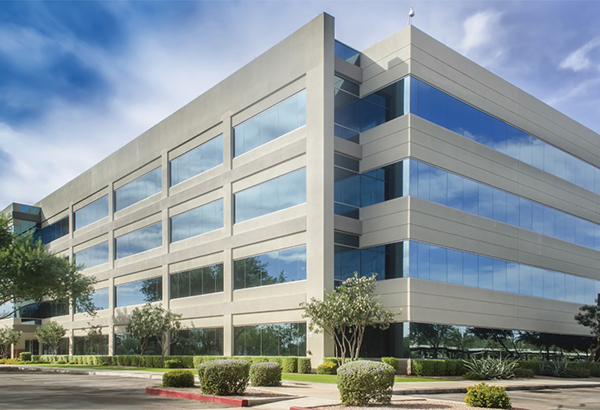
Solar films can be installed on new buildings or when retrofitting an existing one with significantly less investment than smart glass. A wide variety of finishes and tints are available. These films can deliver similar heat gain reduction, UV blocking and light control benefits as the more expensive smart glass solutions, while offering pleasing esthetics without blocking outward views.
Taken together these solutions mean exterior glass windows neither need to be eliminated or even reduced, allowing the multiple benefits of glass to shine through.
John Bleasby is a freelance writer. Send comments and Inside Innovation column ideas to editor@dailycommercialnews.com.



Recent Comments
comments for this post are closed