

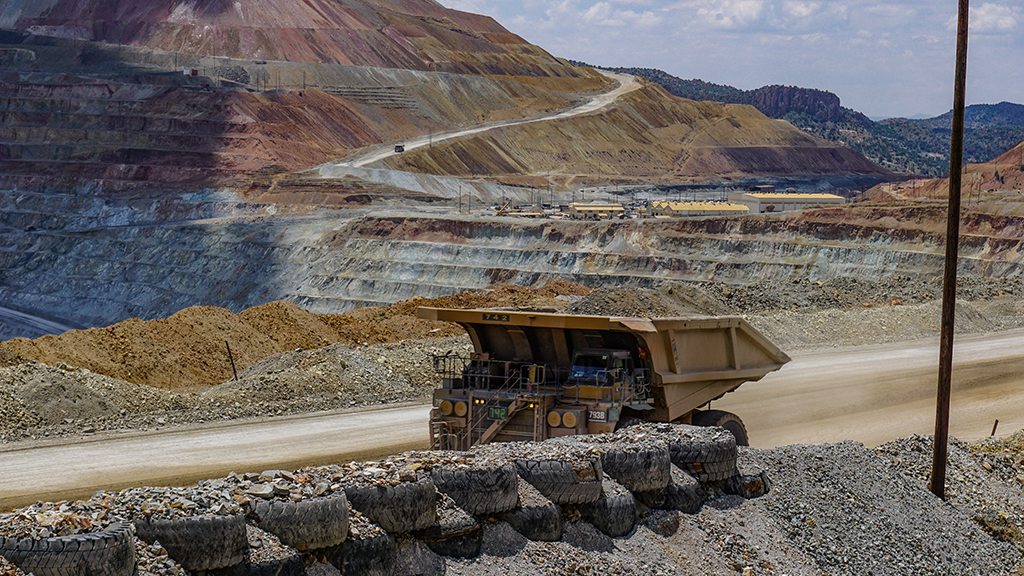
There is a major type of capital spending often viewed as separate from construction yetÌýintrinsically linked to it: the hugely important mining sector.
Mining has always provided the essential input materials to build our world. However, we are now seeing unprecedented demand for elements vital to environmental clean-up efforts and high-tech research inÌý, robotics, andÌý.
The °µÍø½ûÇøion Connection
Whether operations are open-pit or underground, mining requires formidable engineering and investment. Sorting and milling buildings used to process raw ore are substantial structures, falling clearly into the realm of non-residential construction. Infrastructure works, such as the roads and rail lines needed to reach remote sites and ship final products, further cement this connection.
Securing U.S. Supply Chains
In the United States, leaders recognize that financial support and equity participation are necessary to increase domestic supplies of critical mineral inputs.
A prime example is the Thacker Pass lithium mine in Nevada. As the largest lithium mining site under development in the U.S., it features a joint venture with General Motors and backing from the Department of Energy.
Furthermore, the push for AI and data manipulation requires enormousÌý. This signals a likely rebirth of the nuclear energy industry, which sparks a renewed need for fluorspar—a critical mineral forÌý. Recognizing this necessity, efforts are underway to revitalize historic fluorspar mining and processing sites in the Illinois-Kentucky corridor.
By embracing these monumental projects, both nations are building theÌýnecessary to power the innovations of tomorrow.
Canada’s Nation-Building Projects
The Canadian government embraces these developments as nation-to ensure robust economic growth. Several standout ventures highlight this push:
The McIlvenna Bay project in Saskatchewan is nearing completion. This copper-zinc-gold-silver project aims to be the world’s first carbon-neutralÌýmine.
In Ontario, the Ring of Fire region contains extensive deposits of chromite, nickel, and copper. These materials are essential for producing stainlessÌýand advanced super alloys.
Quebec’s Matawinie open-pit graphite mine will supply critical materials for electric vehicle batteries and battery storage systems.
Finally, the Radar Project in Labrador isÌýtitanium and vanadium. This reduces reliance on overseas imports while providing high-strength materials perfectly suited for aerospace frames and medical procedures.
Recent Comments
comments for this post are closed